How to improve memory and focus naturally: the MemoTril guide

Updated September 2026 · reviewed by the MemoTril Research Team. We are an independent information resource, not a medical provider, and this article is educational rather than medical advice.
To improve memory and focus naturally means using everyday sleep, movement, food and attention habits — and, if you choose, well-known nootropic botanicals like Ginkgo Biloba, Bacopa Monnieri and Lion’s Mane — to help your brain do its everyday work more comfortably. It is about consistency over quick fixes, and it works alongside, not instead of, the guidance of your doctor.
The fast, quotable summary — in one place.
- The goal
- Reduce the foggy, scattered moments so your attention holds and everyday memory feels more reliable.
- Biggest levers
- Sleep and movement matter most, followed by whole foods, hydration and how you manage attention and stress.
- Focus trick
- Work in single-task blocks and protect them from notifications; attention is trained, not summoned.
- Where supplements fit
- Nootropic botanicals such as Ginkgo, Bacopa and Lion’s Mane can support the routine, but they are not a treatment for any disease.
- Timeframe
- A good night’s sleep helps the same day; botanicals and fitness changes usually show over several weeks, and results vary.

If you have ever walked into a room and forgotten why, or read the same paragraph three times, you have felt attention and memory in motion. For most people the aim is not a superhuman brain — it is simply a clearer, steadier head. This guide walks through the habits with the most leverage in plain language, and shows where a nootropic formula like MemoTril can play a supporting role.
What does it mean to support memory and focus naturally?
Supporting memory and focus naturally is the practice of using sleep, activity, nutrition and attention habits to help your brain do what it already does: encode new information, hold attention on a task, and recall what you need when you need it. It is not a cure for any condition; it is a set of small, repeatable choices that make the good days more common. Two ideas anchor everything below: consistency beats intensity, and these habits stack — each helps a little, and together they help a lot.
Why does focus drift in the first place?
Attention is a limited resource, and modern life spends it quickly. Every notification, open tab and half-finished task is a small withdrawal. Short sleep, skipped meals, dehydration and long sedentary stretches widen the gaps further, leaving you with the familiar afternoon fog. The encouraging part is that each of those factors is something you can nudge in the other direction.
Memory works similarly. New information is fragile until sleep helps consolidate it, and attention is the doorway through which anything reaches memory in the first place. Improve attention and sleep, and everyday memory tends to follow.
What are the most effective everyday habits?
1. Protect your sleep first
Sleep is where the brain consolidates memory and clears the by-products of a busy day. A consistent seven-to-nine hours does more for focus than any single trick. Keep a steady bedtime, dim screens in the last hour, and treat sleep as the foundation the rest of the habits build on.
This is not folk wisdom: consolidation during sleep is one of the better-established findings in memory research, reviewed at length by Rasch and Born in Physiological Reviews. If you only change one thing on this list, change this one — no supplement in any category has a comparable body of evidence behind it.
2. Move your body most days
Physical activity increases blood flow and is one of the most reliable supports for a clear head. A brisk walk, a bike ride, gardening or a short bodyweight circuit all count. Even a ten-minute walk can lift attention for the hour that follows — a small deposit that pays off through the day.
The longer-term case is stronger still. In a randomised trial published in the Proceedings of the National Academy of Sciences, Erickson and colleagues found that a year of moderate aerobic walking was associated with measurable change in hippocampal volume and better performance on a spatial memory task in older adults. Walking is unglamorous and it is the best-supported intervention on this page.
3. Train attention in single-task blocks
Focus is a skill you practise, not a mood you wait for. Work in protected blocks — twenty-five to fifty minutes on one thing, notifications off — then take a real break. Each block teaches your brain that attention is the default, and the blocks get easier to enter.
4. Eat for a steadier brain
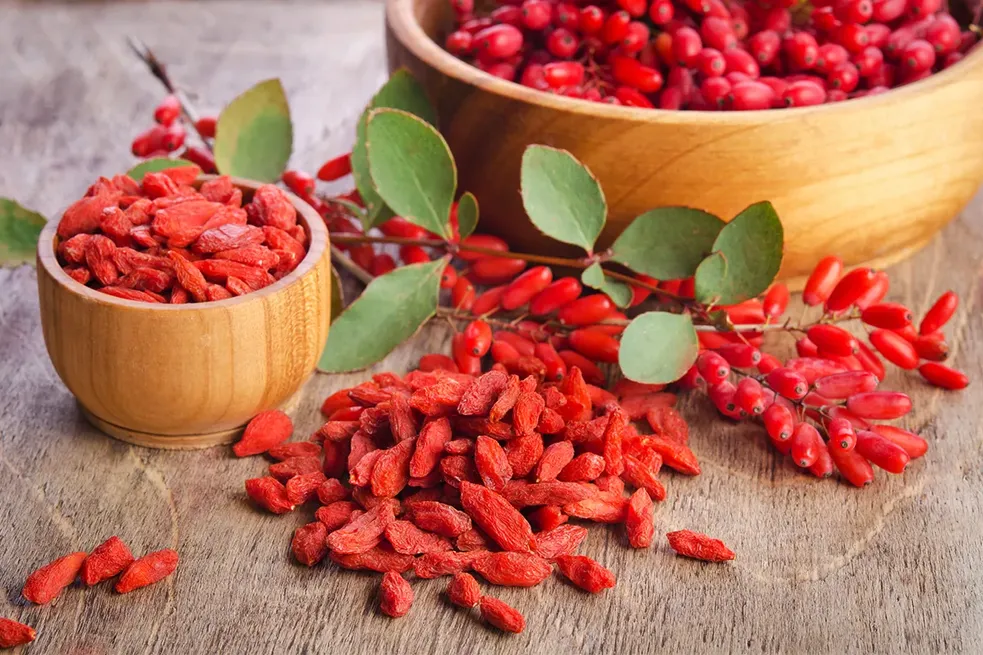
The brain runs best on steady fuel and a colourful plate. Favour whole foods, fibre, protein and healthy fats, and go easy on refined sugar that spikes and crashes energy. Oily fish, nuts, seeds, leafy greens and berries are staples of most brain-friendly eating patterns.
The dietary pattern with the most direct trial evidence here is the Mediterranean one: a randomised clinical trial reported in JAMA Internal Medicine found better cognitive outcomes over several years in participants assigned to a Mediterranean diet supplemented with olive oil or nuts than in a control group on a reduced-fat diet. Whole foods first, and a checklist for anything you add on top — our guide to choosing a nootropic supplement covers what to look for.
5. Hydrate and mind your caffeine
Even mild dehydration nicks concentration, so water is a quiet ally. Caffeine can sharpen focus in the morning, but late-day cups borrow from tonight’s sleep — and sleep, as above, is the foundation. Keep caffeine earlier and moderate.
See how MemoTril fits your routine →
Which nutrients are part of the conversation?
Supplements are a supplement to the habits above, not a substitute, and never a treatment for any condition. Still, a handful of botanicals have long been part of the memory-and-focus conversation. Here is a snapshot of the best-known ones, all three of which appear in MemoTril.
| Botanical | Why it is discussed | Traditional / general role |
|---|---|---|
| Ginkgo Biloba | Classic circulatory herb | Traditionally used to support healthy circulation and everyday mental sharpness. |
| Bacopa Monnieri | Ayurvedic “Brahmi” | Long associated with memory and learning support; one of the most researched nootropic herbs. |
| Lion’s Mane | Culinary mushroom | A popular modern nootropic botanical valued for everyday cognitive wellness. |
MemoTril brings these together in one daily capsule — Ginkgo Biloba, Bacopa Monnieri and Lion’s Mane Mushroom. For a closer look, read our guide to the three MemoTril botanicals, or see the full ingredients section.
Make it a daily habit
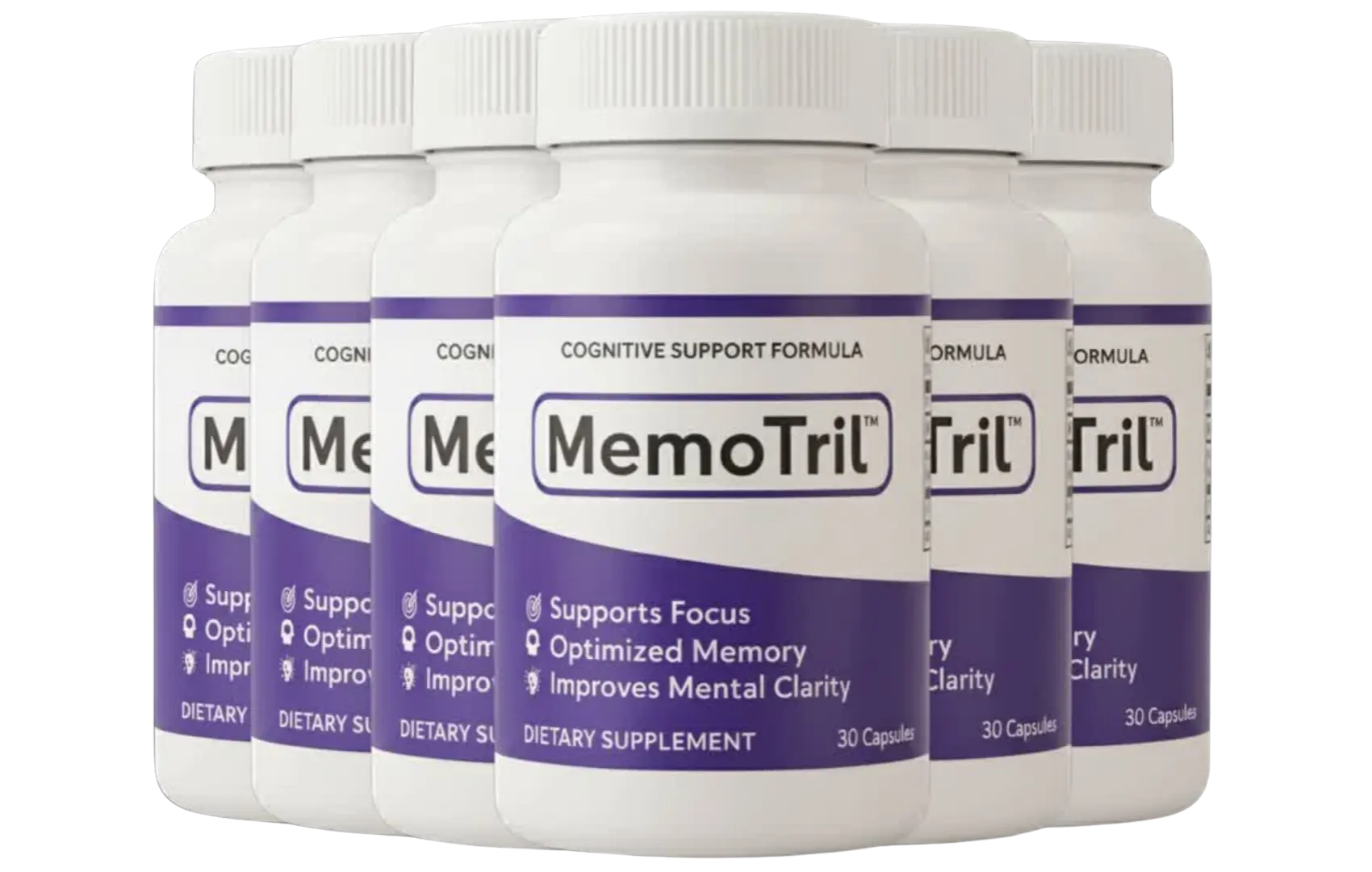
MemoTril is a once-daily capsule built around Ginkgo Biloba, Bacopa Monnieri and Lion’s Mane. The six-bottle bundle is the best value at $49 per bottle, with free U.S. shipping and a 60-day guarantee.
Order MemoTril — from $49/bottleHow do you build a simple daily routine?
The best routine is the one you will keep. Rather than overhauling everything at once, stack one small habit at a time until each feels automatic:
- Anchor a consistent bedtime so sleep does the quiet work.
- Take a 10-minute walk after your biggest meal or mid-afternoon.
- Work in one protected focus block each morning, notifications off.
- Add one brain-friendly food — berries, greens, oily fish or nuts.
- Keep a water bottle in view and finish it by evening.
- Take any supplement at the same time daily — for MemoTril, one capsule with water.
Which habits work fastest? An at-a-glance table
A “fast” habit is one you feel within a day; a “slow” habit reshapes your baseline over weeks. Both matter. This table sorts the core habits by how quickly they help and how much effort they ask.
| Habit | Typical time to notice | Everyday effort |
|---|---|---|
| A full night’s sleep | Next day | Medium |
| 10-minute walk | Same hour | Low |
| Single-task focus block | Same day | Low |
| Hydration through the day | Days | Low |
| Brain-friendly eating pattern | Weeks | Medium |
| Consistent nootropic botanicals | Weeks to months | Low |
Consistency turns any of these into a steadier month. Botanicals build their support gradually, so most people choose a multi-month supply to avoid running out mid-routine — compare the packages and pricing on the homepage.
When should you talk to a doctor?
Natural habits are for supporting everyday memory and focus; they are not a replacement for medical care. Speak with your doctor if you are pregnant or nursing, under 18, take any medication, have a diagnosed condition, or notice persistent or worsening memory changes, confusion or mood changes. A quick conversation ensures anything you add fits safely with your care.
Frequently asked questions
What does it mean to improve memory and focus naturally?
It means using everyday sleep, movement, food and attention habits - and, optionally, nootropic botanicals like Ginkgo, Bacopa and Lion's Mane - to help your brain do its everyday work more comfortably. It complements, rather than replaces, medical care.
Which habits help focus the most?
Consistent sleep and regular movement have the biggest effect, followed by single-task focus blocks, hydration, and a whole-food eating pattern. Turning off notifications during focused work is one of the simplest, highest-return changes.
Do nootropic botanicals like Bacopa really help?
Bacopa Monnieri is one of the most researched botanicals associated with memory support, and Ginkgo and Lion's Mane have long traditions in cognitive wellness. They are a support to healthy habits, not a treatment, and medication users should ask a doctor first.
How long until I notice a clearer head?
Better sleep can help the very next day, while botanicals and fitness changes usually build over several weeks to a few months. Individual results vary, so consistency matters more than any single day.
Can I improve focus without giving up caffeine?
For most people, yes. Keep caffeine earlier in the day and moderate, so it sharpens the morning without borrowing from tonight's sleep, which is the real foundation of next-day focus.
Is MemoTril a treatment for memory loss?
No. MemoTril is a dietary supplement intended to support everyday memory, focus and mental clarity as part of a healthy lifestyle. It is not intended to diagnose, treat, cure or prevent any disease, including memory conditions.
Try MemoTril risk-free for 60 days →
MemoTril is a dietary supplement, not a treatment for any medical condition. These statements have not been evaluated by the Food and Drug Administration. This product is not intended to diagnose, treat, cure or prevent any disease. Always consult a qualified healthcare professional about your individual needs.
References & further reading
- Rasch B, Born J. About sleep’s role in memory. Physiological Reviews, 2013. PMID 23589831
- Erickson KI, Voss MW, Prakash RS, et al. Exercise training increases size of hippocampus and improves memory. Proceedings of the National Academy of Sciences, 2011. PMID 21282661
- Valls-Pedret C, Sala-Vila A, Serra-Mir M, et al. Mediterranean diet and age-related cognitive decline: a randomized clinical trial. JAMA Internal Medicine, 2015. PMID 25961184
- National Center for Complementary and Integrative Health (NCCIH). Sleep and Wellbeing. nccih.nih.gov/health/sleep
- National Center for Complementary and Integrative Health (NCCIH). Ginkgo. nccih.nih.gov/health/ginkgo
- Kongkeaw C, Dilokthornsakul P, Thanarangsarit P, Limpeanchob N, Norman Scholfield C. Meta-analysis of randomized controlled trials on cognitive effects of Bacopa monnieri extract. Journal of Ethnopharmacology, 2014. PMID 24252493
- Mori K, Inatomi S, Ouchi K, Azumi Y, Tuchida T. Improving effects of the mushroom Yamabushitake (Hericium erinaceus) on mild cognitive impairment: a double-blind placebo-controlled clinical trial. Phytotherapy Research, 2009. PMID 18844328
These references describe the ingredients and habits in general terms and do not constitute evidence that any product treats, cures or prevents any condition.
Keep reading: the three MemoTril botanicals explained · how to choose a nootropic supplement · back to the MemoTril blog · homepage.