Ginkgo, Bacopa and Lion’s Mane: the three botanicals in MemoTril

Updated September 2026 · reviewed by the MemoTril Research Team. We are an independent information resource, not a medical provider, and this article is educational rather than medical advice.
MemoTril is built around three headline nootropic botanicals named on its product page: Ginkgo Biloba, Bacopa Monnieri and Lion’s Mane Mushroom. This guide explains, in plain language, what each one is, the traditional role it plays, and why the three are combined — without inventing doses the manufacturer does not publish.
The fast, quotable summary — in one place.
- The trio
- Ginkgo Biloba, Bacopa Monnieri and Lion’s Mane Mushroom — three botanicals with long histories in cognitive wellness.
- Ginkgo
- A classic circulatory herb traditionally linked to healthy blood flow and everyday mental sharpness.
- Bacopa
- Ayurveda’s “Brahmi,” one of the most researched botanicals associated with memory and learning.
- Lion’s Mane
- A culinary-and-wellness mushroom that has become a staple of modern nootropic formulas.
- On doses
- MemoTril names these actives but does not publish per-capsule milligram amounts, so this guide does not state any.
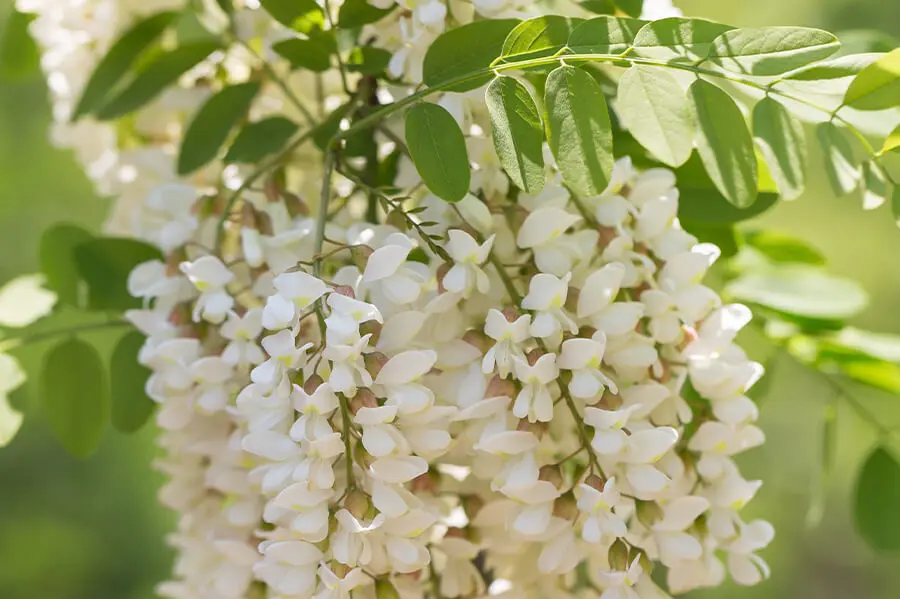
Walk down any nootropic aisle and you will meet the same handful of names again and again. Three of them — Ginkgo, Bacopa and Lion’s Mane — are the botanicals MemoTril is built around. Here is what each one is, where it comes from, and why they are combined in a single daily capsule.
Why these three botanicals together?
Good nootropic formulas usually pair ingredients that come at “a clearer head” from different angles rather than stacking three versions of the same thing. Ginkgo is traditionally a circulation herb; Bacopa is the classic memory botanical; Lion’s Mane is a mushroom valued in modern cognitive-wellness circles. Combined, they cover complementary corners of the same everyday goal: memory, focus and mental clarity.
| Botanical | Plant / source | Traditional angle |
|---|---|---|
| Ginkgo Biloba | Ginkgo tree leaf | Healthy circulation & mental sharpness |
| Bacopa Monnieri | Brahmi, a wetland herb | Memory & learning support |
| Lion’s Mane | Hericium erinaceus mushroom | Everyday cognitive wellness |
Ginkgo Biloba: the classic circulatory herb
Ginkgo biloba is one of the oldest tree species on earth and one of the most widely taken botanicals in the world. Its leaf extract is traditionally used to support healthy circulation, and by extension the steady delivery of oxygen and nutrients the brain relies on for everyday sharpness. It is rich in naturally occurring plant compounds and has been the subject of a large body of research.
Why it is in MemoTril
As the circulatory corner of the trio, Ginkgo complements the memory-focused Bacopa and the mushroom-based Lion’s Mane. You can read a neutral overview at the NIH NCCIH Ginkgo page.
What the trials actually found
Ginkgo is the most-tested herb in this trio and the one whose results are most sobering. The Ginkgo Evaluation of Memory trial, published in JAMA in 2008, randomised more than 3,000 older adults to 120 mg twice daily or placebo and found no reduction in the incidence of dementia over roughly six years. A companion analysis of the same cohort, also in JAMA, found no slowing of ordinary age-related cognitive decline either. Ginkgo belongs in a formula like this on the strength of traditional use and its circulatory framing — not as a proven memory ingredient, and any page telling you otherwise is overselling it.
It is also the ingredient in the trio that most warrants a word with a pharmacist, because it is among the herbs most often discussed in the context of interactions with anticoagulant and antiplatelet medicines.
Bacopa Monnieri: the memory herb
Bacopa monnieri, known in Ayurvedic tradition as Brahmi, is a small wetland herb used for centuries in support of memory and learning. It is among the most researched botanicals in the nootropic category, which is a large part of why it appears in so many memory-focused formulas — MemoTril included.
Why it is in MemoTril
Bacopa is the memory-and-learning cornerstone of the blend, and it is the ingredient here with the best human evidence behind it. A meta-analysis of randomised controlled trials published in the Journal of Ethnopharmacology reported improvements in some measures of attention and speed of information processing in healthy adults taking standardised Bacopa extract.
Why twelve weeks keeps coming up
The single most practical fact about Bacopa is its timescale. An early chronic-dosing trial in Psychopharmacology found effects on the retention of newly learned information after twelve weeks of daily use, not after a single dose, and a randomised, double-blind trial in older adults pointed the same way on word recall over a comparable run. That is why nootropic botanicals reward routine, and why judging one after a fortnight tells you almost nothing. If you want the full picture of how that fits a daily routine, our checklist on how to choose a nootropic supplement puts timescale alongside the other things worth checking.
Bacopa is also the ingredient most often associated with mild digestive complaints — stomach upset and loose stools, particularly on an empty stomach — which is the usual reason it is suggested with food.
See the full MemoTril formula →
Lion’s Mane Mushroom: the modern nootropic staple
Lion’s Mane (Hericium erinaceus) is a striking white, shaggy mushroom long eaten in East Asian cuisine and used in traditional wellness. In the last decade it has become one of the most popular botanicals in the modern nootropic space, valued for its role in everyday cognitive wellness. It rounds out MemoTril’s trio with a fungal, food-derived source rather than another leaf or root.
Why it is in MemoTril
Lion’s Mane brings a distinct, mushroom-based profile to the blend, complementing the two plant botanicals. Its human evidence base is also the thinnest of the three, and it is worth being straightforward about that.
What the trials actually found
The study usually cited is a small double-blind, placebo-controlled trial published in Phytotherapy Research, in which Japanese adults with mild cognitive impairment scored better on a cognitive scale after sixteen weeks of daily Lion’s Mane than those on placebo — and, tellingly, those scores fell back once supplementation stopped. That is one small trial in a specific clinical group, not a finding about healthy adults. A review of the mushroom’s chemistry in the Journal of Agricultural and Food Chemistry makes the same point from the other direction: most of the mechanistic work behind Lion’s Mane is laboratory and animal research.
It earns its place in the blend as a familiar edible mushroom with a different profile from two plant extracts — a promising ingredient rather than an established one.
Make it a daily habit
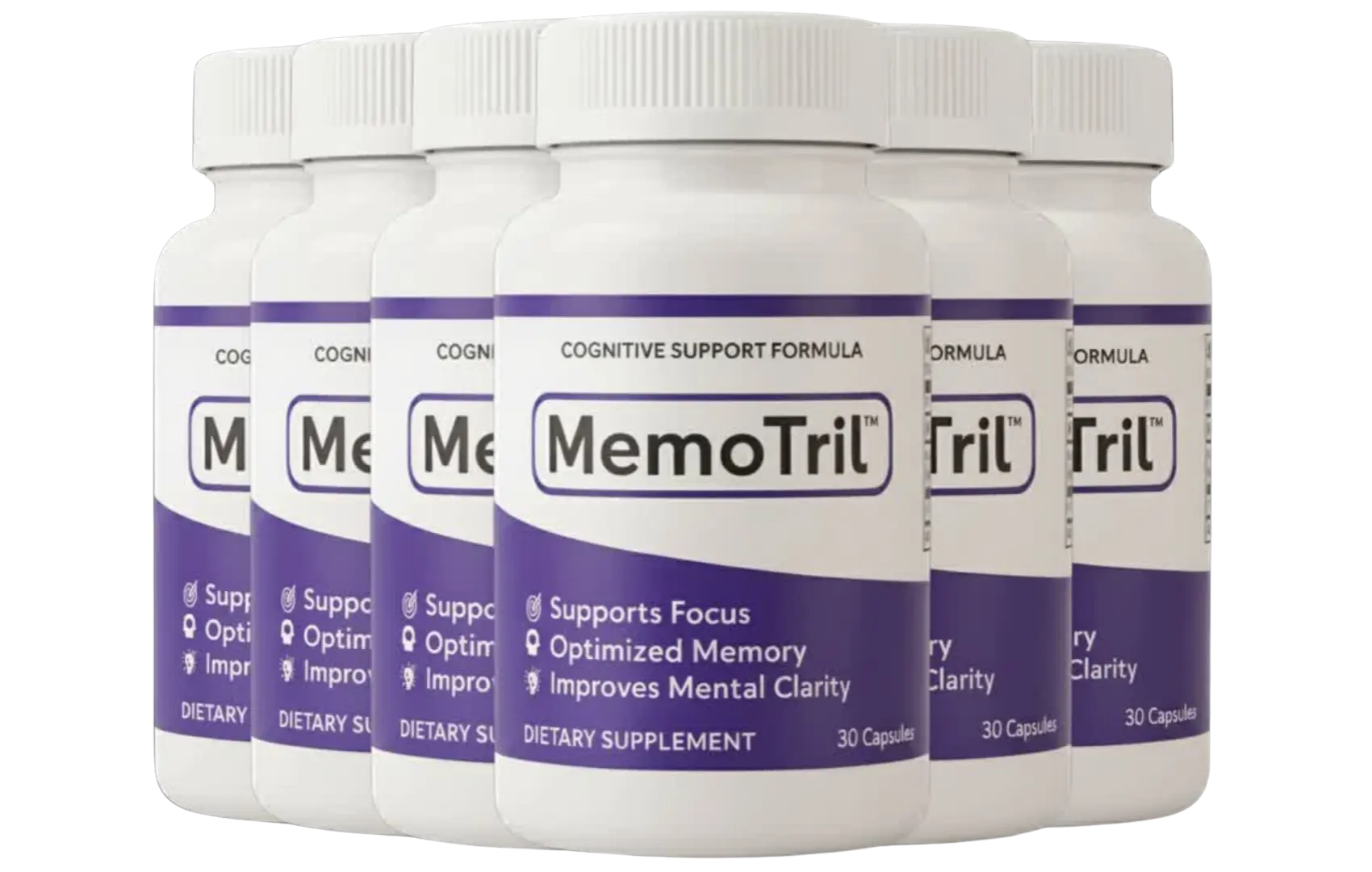
MemoTril is a once-daily capsule built around Ginkgo Biloba, Bacopa Monnieri and Lion’s Mane. The six-bottle bundle is the best value at $49 per bottle, with free U.S. shipping and a 60-day guarantee.
Order MemoTril — from $49/bottleWhat about doses?
Here is where honesty matters. MemoTril’s product page names these three actives and describes them as natural ingredients backed by clinical research, but it does not publish a per-capsule milligram breakdown. Rather than invent numbers, we simply report what the label and page state: a cognitive support formula with 30 capsules per bottle, built around Ginkgo, Bacopa and Lion’s Mane. Always read the label on the bottle you receive, and follow its directions.
| What we can confirm | Detail |
|---|---|
| Format | Capsules |
| Count per bottle | 30 capsules (about one month) |
| Named actives | Ginkgo, Bacopa, Lion’s Mane |
| Per-capsule mg | Not published by the manufacturer |
How to get the most from them
Because nootropic botanicals build their support gradually, the single most useful thing you can do is take them consistently. Pick a time you will remember, take MemoTril daily with water, and pair it with the fundamentals — sleep, movement and whole foods. For a full routine, see our guide to improving memory and focus naturally.
Are these botanicals right for everyone?
Ginkgo, Bacopa and Lion’s Mane have long histories of traditional use, but “natural” does not mean “for everyone.” Botanicals can interact with medications and are not studied for use in pregnancy or childhood, so a few groups should be cautious. Ginkgo, in particular, is one to raise with a doctor if you take blood-thinning medication, because of its traditional association with circulation. The sensible rule is simple: if you are pregnant or nursing, under 18, managing a health condition, or taking any prescription medicine, talk with a qualified professional before adding any nootropic, MemoTril included.
For most healthy adults looking for everyday support, the appeal of a blend like this is its familiarity: three widely used botanicals, in one convenient capsule, framed around general wellness rather than grand promises. That is the spirit in which MemoTril presents them, and the spirit in which they are best used — as one steady habit inside a bigger, healthier routine.
The bottom line on the trio
Ginkgo covers the circulatory angle, Bacopa the memory-and-learning angle, and Lion’s Mane a modern, mushroom-based angle on everyday cognitive wellness. None is a magic bullet, and MemoTril does not claim any of them to be. Taken consistently, alongside good sleep and movement, they are a reasonable, recognisable foundation for a memory-and-focus supplement — which is exactly what MemoTril is built to be.
Frequently asked questions
What are the three ingredients in MemoTril?
MemoTril's product page names three headline nootropic botanicals: Ginkgo Biloba, Bacopa Monnieri and Lion's Mane Mushroom. Each bottle contains 30 capsules, about a one-month supply.
What does Bacopa Monnieri do?
Bacopa Monnieri, known in Ayurveda as Brahmi, is traditionally associated with memory and learning support and is one of the most researched botanicals in the nootropic category. It is typically taken consistently over weeks.
Is Lion's Mane a drug?
No. Lion's Mane is an edible mushroom used in food and traditional wellness, included in MemoTril as a botanical. It is not a drug and is not intended to diagnose, treat, cure or prevent any disease.
Does MemoTril list the milligram doses?
No. MemoTril names Ginkgo, Bacopa and Lion's Mane on its product page but does not publish a per-capsule milligram breakdown, so we do not state specific doses. Always read the label on the bottle you receive.
Can I take these botanicals every day?
Nootropic botanicals are generally taken daily and consistently rather than occasionally. Take MemoTril as directed on the label, and if you are pregnant, nursing, under 18 or on medication, check with your doctor first.
How soon might I notice anything?
Botanicals such as Bacopa build their support gradually, so most people take them daily for several weeks to a few months before judging. Individual results vary and are not guaranteed.
Try MemoTril risk-free for 60 days →
MemoTril is a dietary supplement, not a treatment for any medical condition. These statements have not been evaluated by the Food and Drug Administration. This product is not intended to diagnose, treat, cure or prevent any disease. Always consult a qualified healthcare professional about your individual needs.
References & further reading
- National Center for Complementary and Integrative Health (NCCIH). Ginkgo. nccih.nih.gov/health/ginkgo
- DeKosky ST, Williamson JD, Fitzpatrick AL, et al. Ginkgo biloba for prevention of dementia: a randomized controlled trial. JAMA, 2008. PMID 19017911
- Snitz BE, O’Meara ES, Carlson MC, et al. Ginkgo biloba for preventing cognitive decline in older adults: a randomized trial. JAMA, 2009. PMID 20040554
- Kongkeaw C, Dilokthornsakul P, Thanarangsarit P, Limpeanchob N, Norman Scholfield C. Meta-analysis of randomized controlled trials on cognitive effects of Bacopa monnieri extract. Journal of Ethnopharmacology, 2014. PMID 24252493
- Stough C, Lloyd J, Clarke J, et al. The chronic effects of an extract of Bacopa monniera (Brahmi) on cognitive function in healthy human subjects. Psychopharmacology (Berl), 2001. PMID 11498727
- Calabrese C, Gregory WL, Leo M, Kraemer D, Bone K, Oken B. Effects of a standardized Bacopa monnieri extract on cognitive performance, anxiety, and depression in the elderly: a randomized, double-blind, placebo-controlled trial. Journal of Alternative and Complementary Medicine, 2008. PMID 18611150
- Mori K, Inatomi S, Ouchi K, Azumi Y, Tuchida T. Improving effects of the mushroom Yamabushitake (Hericium erinaceus) on mild cognitive impairment: a double-blind placebo-controlled clinical trial. Phytotherapy Research, 2009. PMID 18844328
- Friedman M. Chemistry, nutrition, and health-promoting properties of Hericium erinaceus (Lion’s Mane) mushroom fruiting bodies and mycelia and their bioactive compounds. Journal of Agricultural and Food Chemistry, 2015. PMID 26244378
- National Center for Complementary and Integrative Health (NCCIH). Dietary and Herbal Supplements. nccih.nih.gov/health/dietary-and-herbal-supplements
These references describe the ingredients and habits in general terms and do not constitute evidence that any product treats, cures or prevents any condition.
Keep reading: how to improve memory and focus naturally · how to choose a nootropic supplement · the ingredients section · back to the blog.